The 27 Nakshatra
In Vedic astrology, Nakshatras (Lunar Mansions) are the 27 divisions of the sky that the Moon passes through each month. While your "Sun Sign" (like Aries) changes once a month, your "Nakshatra" changes almost every day.
What Is a Nakshatra?
A Nakshatra (नक्षत्र) is a lunar mansion — one of 27 equal segments of the sky through which the Moon travels during its monthly orbit. The word comes from Sanskrit: Naksha (map) + Tara (star) — together, a star map. The 360-degree zodiac is divided into 27 Nakshatras, each spanning exactly 13 degrees and 20 minutes, beginning at 0° Aries (Ashwini) and ending at 30° Pisces (Revati).
Your Janma Nakshatra — birth Nakshatra — is the Nakshatra the Moon was passing through at the exact moment of your birth. It is the most personal and precise marker in Vedic astrology. More specific than your Moon sign, more personally revealing than your Sun sign, the Janma Nakshatra is the fingerprint of your soul's journey in this lifetime.
In Vedic mythology, the 27 Nakshatras are the 27 daughters of King Daksha, all married to the Moon. The Moon travels through each Nakshatra in approximately one day — spending about one day per Nakshatra in its 27.3-day orbit. This is why Nakshatra-based forecasts (especially daily) are more precise than sign-based ones.
Not sure which Nakshatra you belong to? Enter your birth date, time, and place into the Atri Astrology app and your Janma Nakshatra is identified instantly.
Why Nakshatras Matter More Than Just Your Moon Sign
Your Moon sign places you in one of 12 signs — roughly 1 in 12 of the population shares it. Your Nakshatra places you in one of 27 — with four additional Pada (quarter) subdivisions within each. This makes your Nakshatra profile far more specific and personally accurate. Two people with the same Moon sign but different Nakshatras can have completely different personalities, Dasha sequences, and life patterns.
Nakshatras are used in Vedic astrology for personality analysis, compatibility matching (Nakshatra Porutham), Muhurta (auspicious timing), naming ceremonies (the first syllable of a name is traditionally chosen from the Nakshatra Pada's syllable), and the Vimshottari Dasha system — the 120-year planetary period cycle that is the primary timing tool in Vedic astrology.
Explore the Nakshatras & Their Meanings
Ashwini
Mesha
Bharani
Mesha
Krittika
Mesha–Vrishabha
Rohini
Vrishabha
Mrigashira
Vrishabha–Mithuna
Ardra
Mithuna
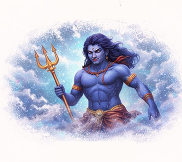
Punarvasu
Mithuna–Karka
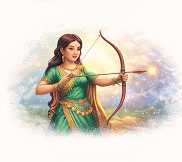
Pushya
Karka
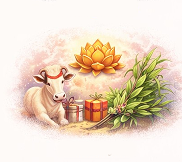
Ashlesha
Karka
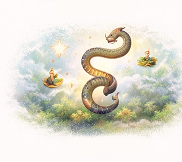
Magha
Simha
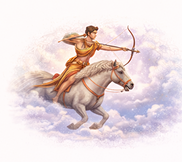
Purva Phalguni
Simha
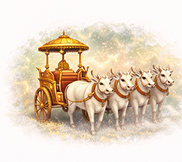
Uttara Phalguni
Simha–Kanya
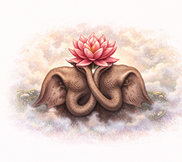
Hasta
Kanya
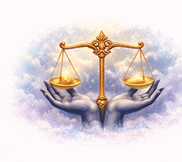
Chitra
Kanya–Tula
Swati
Tula

Vishakha
Tula–Vrishchika
Anuradha
Vrishchika
Jyeshtha
Vrishchika
Mula
Dhanus
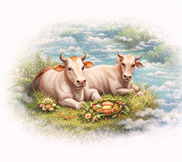
Purva Ashadha
Dhanus
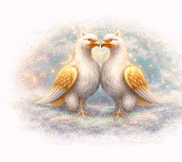
Uttara Ashadha
Dhanus–Makara

Shravana
Makara
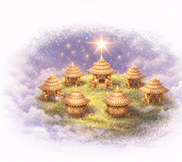
Dhanishtha
Makara–Kumbha
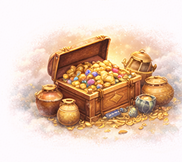
Shatabhisha
Kumbha
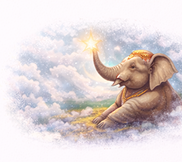
Purva Bhadrapada
Kumbha–Meena
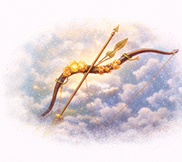
Uttara Bhadrapada
Meena

Revati
Meena
Key Concepts in Nakshatra Astrology
The 3 Ganas — Nature of Nakshatras
How to Read Your Nakshatra for Daily Life
- Find your Janma Nakshatra — Enter your birth date, time, and place on the Atri Astrology app. Your Nakshatra is identified instantly.
- Know your Dasha lord — Your Janma Nakshatra determines which Dasha (planetary period) you are born into. This tells you which planet's energy runs the first chapter of your life.
- Check your Gana — Your Nakshatra's Gana tells you your fundamental nature (Deva, Manushya, or Rakshasa) and is crucial for compatibility assessment.
- Note your Nadi — Your Nakshatra's Nadi (Adi, Madhya, or Antya) is critical for marriage compatibility — same-Nadi matches are traditionally avoided as Nadi Dosha.
- Track the Moon's daily Nakshatra — The Moon's current Nakshatra determines the daily energy. When the Moon transits your Janma Nakshatra, it is your personal power day each month.
Frequently Asked Questions
Discover your birth nakshatra