You know your zodiac sign. You may know your Moon sign. But the Nakshatra is where Vedic astrology gets truly precise. And it is simpler than you think.
What Is a Nakshatra?
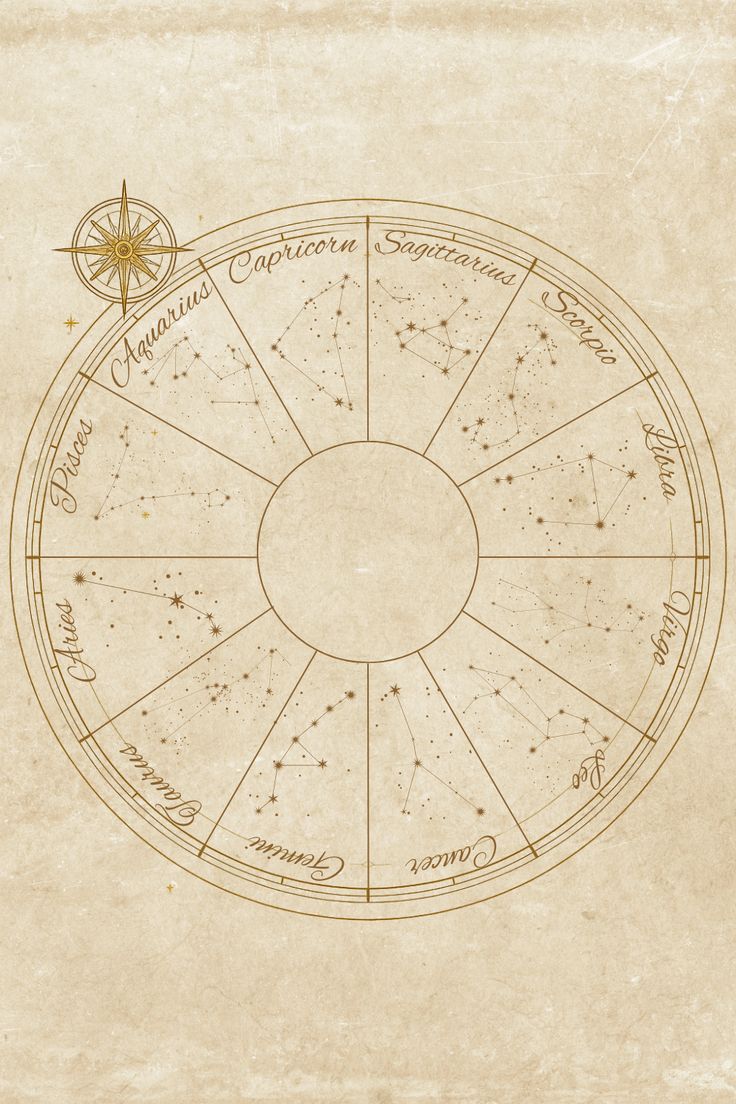
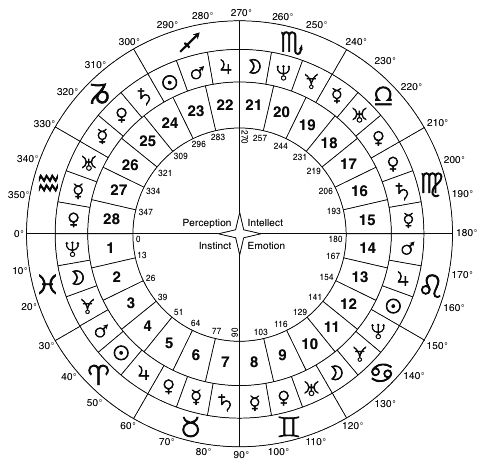
Imagine the Moon going on a 27-day journey around the Earth. Every single day, it arrives at a new neighbourhood in the sky. Each of those neighbourhoods has its own character, its own energy, its own flavour. Those 27 neighbourhoods are the Nakshatras.
In Vedic astrology, the Nakshatra is more detailed, more personal then zodiac sign. If a zodiac sign is a city, the Nakshatra is the specific street in that city where you were born. Two people can both be Aries Sun, but if one was born under Ashwini Nakshatra and the other under Bharani, they will be noticeably different people. That extra layer of detail is what makes Nakshatras so useful.
The word Nakshatra comes from Sanskrit. One interpretation is that it means ‘that which never decays’ or ‘indestructible’. Another is that Naksha means map, and Tra means tool or instrument. Either way, the meaning points to the same idea: these are permanent celestial markers that have been used to read human lives for thousands of years, mentioned in the Vedas long before zodiac signs became the main framework.
| What it is | One of 27 equal sections of the sky, each spanning 13 degrees and 20 minutes |
| Based on | The Moon’s 27-day journey around the Earth |
| Your Nakshatra | The section the Moon was in at the exact moment of your birth (Janma Nakshatra) |
| Total Nakshatras | 27 (sometimes 28 are mentioned, but 27 are used for all calculations) |
| Each divided into | 4 Padas (quarters) of 3 degrees 20 minutes each |
| Used for | Dasha calculation, Kundali matching, finding Muhurat, understanding personality |
Nakshatra vs Rashi vs Sun Sign: What Is the Difference?
This is the most common question for anyone new to Vedic astrology. Think of it as three different zoom levels on the same map.
Your Sun sign is the widest view, roughly one twelfth of the sky, covering about 30 days of the year. It tells you about your core personality and vital energy. In Western astrology, this is the main event.
Your Moon sign (Rashi) is more personal. The Moon moves much faster than the Sun, spending about 2.5 days in each sign. Your Rashi tells you about your emotional world, your mind, and how you experience life from the inside.
Your Nakshatra is the most specific of all. It tells you which of the 27 sections of the sky the Moon was passing through at your exact moment of birth. Two people born on the same day with the same Moon sign can still be in different Nakshatras if they were born a few hours apart. This is why Vedic astrology needs your exact birth time and place to give truly personal results. The Nakshatra is the closest thing astrology has to a cosmic fingerprint.
Your Janma Nakshatra: Why It Matters
Janma means birth. Your Janma Nakshatra is simply the Nakshatra your Moon was in when you were born. It is your birth star. In Indian tradition, babies are named according to their Janma Nakshatra, and the first letter of the name is selected from the sounds associated with that specific star. Even if you do not know your Nakshatra yet, the chances are it already shaped your name.
Your Janma Nakshatra shapes your instinctive behaviour, your emotional responses, your inner world, and the way you think. It also determines the starting point of your Vimshottari Dasha, which is the 120-year planetary period system used in Vedic astrology. The planet that rules your birth Nakshatra is the planet you start life under. Everything else unfolds from that starting point.
Beyond personality, the Janma Nakshatra is used in Kundali matching for marriage, in the selection of auspicious Muhurat dates, and in the reading of Tara Balam, which is the daily assessment of which Nakshatras are lucky or unlucky for you personally on any given day.
How to Find Your Nakshatra
You need your date of birth, time of birth, and place of birth. Once you have these, a Nakshatra Calculator can identify exactly which of the 27 Nakshatras your Moon was in and which Pada (quarter) of that Nakshatra it occupied. The more precise your birth time, the more accurate the result.
Use the Nakshatra Calculator to find your Janma Nakshatra instantly. Or the Birth Chart Generator can show you the full picture, including your Moon sign, Nakshatra, and Pada.
What Are Padas?
Each Nakshatra is divided into 4 equal quarters called Padas. Think of the Nakshatra as a neighbourhood and the Pada as a specific block within it. Each Pada spans 3 degrees and 20 minutes of the zodiac.
And this is important because each Pada is associated with one of the four Navamsa signs and carries its own distinct flavour within the Nakshatra. Two people born in the same Nakshatra but different Padas can have meaningfully different personalities and life paths. The Pada your Moon falls in also gives the starting letter sound for naming a child according to Vedic tradition.
Interestingly, 27 Nakshatras multiplied by 4 Padas gives us the number 108, which is one of the most sacred numbers in Hindu tradition. It is the number of beads on a japa mala, the number of names of Vishnu, and appears throughout Vedic mathematics and spirituality. The Nakshatra system is woven into the very architecture of Vedic knowledge.
A Glance At All 27 Nakshatras
Here is your guide to all 27 Nakshatras in the simplest form. The last column is the everyday analogy: a simple image that captures the essence of each Nakshatra in a way you can actually feel and remember.
| No. | Nakshatra | Ruler | Symbol | In Simple Words | The Everyday Analogy |
| 1 | Ashwini | Ketu | Horse’s head | Quick, healing, fresh starts | The first sprint of a new race. Energy before thought. |
| 2 | Bharani | Venus | Yoni | Carrying, creating, extremes | A seed buried deep. Intense. Something is always being born or dying. |
| 3 | Krittika | Sun | Blade / Flame | Sharp, cutting, purifying | A knife that cuts away what does not belong. Honest to a fault. |
| 4 | Rohini | Moon | Ox cart / Chariot | Beautiful, creative, fertile | A lush garden in full bloom. Everything grows easily here. |
| 5 | Mrigashira | Mars | Deer’s head | Searching, curious, restless | A deer always sniffing the air, never quite settling in one place. |
| 6 | Ardra | Rahu | Teardrop / Storm | Emotional storms, transformation | A thunderstorm that destroys the old and clears the air for something new. |
| 7 | Punarvasu | Jupiter | Quiver of arrows | Return, renewal, second chances | Coming home after a long journey. The relief of familiar ground. |
| 8 | Pushya | Saturn | Lotus / Cow’s udder | Nourishing, most auspicious of all | A kind grandmother feeding everyone. Pure giving with no conditions. |
| 9 | Ashlesha | Mercury | Coiled serpent | Cunning, perceptive, hypnotic | A snake coiled around something it will not let go of. Sharp and watchful. |
| 10 | Magha | Ketu | Royal throne | Authority, pride, ancestors | A king sitting on a throne built by those who came before. Ancestral power. |
| 11 | Purva Phalguni | Venus | Front legs of bed | Pleasure, rest, romance, creativity | A lazy Sunday afternoon. Complete comfort and enjoyment. |
| 12 | Uttara Phalguni | Sun | Back legs of bed | Partnerships, commitment, stability | The morning after you commit to something. Now the real work starts. |
| 13 | Hasta | Moon | Open hand | Skilled hands, craftsmanship, wit | A craftsman’s steady hand. What it touches, it shapes perfectly. |
| 14 | Chitra | Mars | Shining jewel | Beauty, brilliance, architecture | A glittering diamond. Beautiful on the surface, with real pressure beneath. |
| 15 | Swati | Rahu | Sword / Coral | Independence, movement, scattered | A leaf blown in the wind. Free but not always in control of direction. |
| 16 | Vishakha | Jupiter | Forked branch | Purpose, ambition, divided focus | A person with two paths ahead, equally pulled in both directions. |
| 17 | Anuradha | Saturn | Lotus / Staff | Devotion, friendship, perseverance | A loyal friend who stays when everyone else leaves. Steady through storms. |
| 18 | Jyeshtha | Mercury | Circular talisman | Seniority, protection, responsibility | The eldest sibling who carries the weight for everyone else. |
| 19 | Mula | Ketu | Bundle of roots | Uprooting, going to the root of things | A tree being pulled out by its roots. Painful but necessary for replanting. |
| 20 | Purva Ashadha | Venus | Fan / Tusk | Invincibility, pride, early victory | Someone who wins the first round and thinks the match is over. |
| 21 | Uttara Ashadha | Sun | Elephant’s tusk | Final victory, universal values | The marathon runner who wins not because of speed but because they did not stop. |
| 22 | Shravana | Moon | Ear / Arrow | Listening, learning, connection | A devoted student who listens more than they speak and retains everything. |
| 23 | Dhanishtha | Mars | Drum / Flute | Wealth, rhythm, music, community | The beat of a drum that brings people together. Energy and abundance. |
| 24 | Shatabhisha | Rahu | Empty circle | Healing, solitude, mystery, research | A doctor working alone at midnight, searching for the cure nobody else found. |
| 25 | Purva Bhadrapada | Jupiter | Front legs of funeral cot | Transformation, intensity, fire | A controlled burn. Destructive from the outside, regenerating from within. |
| 26 | Uttara Bhadrapada | Saturn | Back legs of funeral cot | Depth, patience, karma, wisdom | A river that looks still on top but runs deep and powerful underneath. |
| 27 | Revati | Mercury | Fish / Drum | Completion, compassion, journeys end | The last page of a book that makes everything before it make sense. |
The 9 Ruling Planets and Their Nakshatras
The 27 Nakshatras are divided equally among the 9 Vedic planets, with each planet ruling exactly 3 Nakshatras. This is how the Vimshottari Dasha system works: the planet ruling your birth Nakshatra determines which Mahadasha period you start life under, and then the sequence unfolds in the order shown below.
| Planet | Dasha Years | Nakshatras Ruled | Core Energy |
| Sun (Surya) | 6 yrs | Krittika, Uttara Phalguni, Uttara Ashadha | Authority, clarity, soul purpose |
| Moon (Chandra) | 10 yrs | Rohini, Hasta, Shravana | Emotion, nourishment, listening |
| Mars (Mangal) | 7 yrs | Mrigashira, Chitra, Dhanishtha | Action, beauty, energy |
| Rahu | 18 yrs | Ardra, Swati, Shatabhisha | Storms, freedom, deep healing |
| Jupiter (Guru) | 16 yrs | Punarvasu, Vishakha, Purva Bhadrapada | Return, purpose, transformation fire |
| Saturn (Shani) | 19 yrs | Pushya, Anuradha, Uttara Bhadrapada | Nourishment, loyalty, karmic depth |
| Mercury (Budh) | 17 yrs | Ashlesha, Jyeshtha, Revati | Cunning, seniority, completion |
| Ketu | 7 yrs | Ashwini, Magha, Mula | Speed, royalty, uprooting |
| Venus (Shukra) | 20 yrs | Bharani, Purva Phalguni, Purva Ashadha | Intensity, pleasure, early victory |
A Simple Way to Understand This
If you were born in Pushya Nakshatra, Saturn is your Dasha ruler at birth. Your life begins under Saturn’s influence. From there the sequence moves to Mercury, then Ketu, then Venus, and so on. Each planet gets its allotted years from the table above before handing over to the next. The Nakshatra you were born in is simply the door you entered through.
How Nakshatras Are Used in Real Life
This is the question that makes Nakshatras genuinely useful rather than just interesting to know about.
In Understanding Your Personality
Your Janma Nakshatra offers a level of personality insight that your zodiac sign or Moon sign alone cannot match. The deity, symbol, ruling planet, and specific quality of the Nakshatra together paint a detailed picture of your natural temperament, your soul’s direction, your instinctive emotional patterns, and the deeper purpose of this lifetime. Many people find their Nakshatra description more accurate than any other astrological profile.
In Dasha Calculations
Your Janma Nakshatra determines the starting point of your Vimshottari Dasha. The planet ruling your birth star begins the clock. This is how Vedic astrologers can tell you which planetary period you are currently in, how long it lasts, and what themes it tends to bring. Without the Nakshatra, the Dasha system cannot be calculated.
In Kundali Matching for Marriage
When two birth charts are matched for marriage in the Vedic tradition, Nakshatra compatibility is one of the most important factors. The Ashtakuta system uses 8 categories (36 Guna) of compatibility, several of which are based on the Nakshatras of the two people. Nadi Dosha, one of the most significant compatibility concerns, is also determined entirely through Nakshatra analysis.
In Choosing Muhurat Dates
Every important new beginning, a wedding, a business launch, a new home, relies on Muhurat selection. The Nakshatra active on the day is one of the five elements of the Panchang that must be examined. Certain Nakshatras are considered naturally auspicious for specific activities. Pushya, for example, is considered one of the most auspicious Nakshatra for almost all new beginnings. Ardra and Ashlesha are generally avoided for marriage or new ventures.
Final Thought
Nakshatras are one of the oldest and most sophisticated tools in Vedic astrology, and they are also, once you get past the Sanskrit names, genuinely easy to understand. Your Moon was in one specific neighbourhood of the sky when you arrived. That neighbourhood has a character, a ruling planet, a deity, a symbol, and a deep energetic quality that shapes the lens through which you experience life.
“Your zodiac sign tells you the city. Your Moon sign tells you the district. Your Nakshatra tells you the exact street you were born on.”
Frequently Asked Questions
A Rashi is one of the 12 zodiac signs, each covering 30 degrees of the sky. A Nakshatra is one of 27 lunar divisions, each covering 13 degrees and 20 minutes. Because Nakshatras are smaller, they provide greater precision. Each Rashi contains 2.25 Nakshatras, meaning your Nakshatra pinpoints your exact position within your Moon sign. Think of the Rashi as the city and the Nakshatra as your specific neighbourhood within it.
Ancient Indian astronomy originally described 28 Nakshatras. The 28th, Abhijit, corresponds to the star Vega and lies between Uttara Ashadha and Shravana. However, in practical Vedic astrology, 27 Nakshatras are used. Abhijit is still considered in Muhurat calculations as an auspicious period, but systems like Vimshottari Dasha and Kundali matching use the 27-Nakshatra framework.
You need your date, time, and place of birth. A Nakshatra calculator can determine the exact Nakshatra your Moon occupied at birth. If your birth time is unknown, you may still estimate it if the Moon remained in the same Nakshatra throughout the day, but accurate timing is required for precise Pada-level interpretation.
Each Nakshatra is divided into four equal parts called Padas, each spanning 3 degrees and 20 minutes. The Pada adds deeper detail to interpretation and determines the specific syllable traditionally used for naming. With 27 Nakshatras and 4 Padas each, the total becomes 108, a sacred number in Vedic tradition.
No Nakshatra is universally better than another. Each has unique strengths and challenges. Pushya is often considered highly auspicious for new beginnings due to its stable and nourishing energy, but individuals born in intense Nakshatras like Ardra or Mula can achieve extraordinary success depending on their overall chart. The outcome depends on planetary placement and overall chart context.
Nakshatras are central to Vedic Kundali matching through the Ashtakuta (36 Guna) system. Compatibility is evaluated across factors like Varna, Vashya, Tara, Yoni, Graha Maitri, Gana, Bhakoot, and Nadi. Nadi Dosha, based on Nakshatra grouping, is considered the most significant factor affecting health and progeny compatibility.
In Vedic astrology, the Moon governs the mind, emotions, and personal experience, making it the most important personal planet. The Sun stays in one sign for about a month, while the Moon moves through all Nakshatras in about 27 days, spending roughly one day in each. This makes the Moon’s Nakshatra far more precise and relevant for individual analysis and timing.
Nakshatras are actively used in daily Vedic practice. Tara Balam helps determine which Nakshatras are favourable for you based on your birth star. The daily Panchang lists the active Nakshatra, guiding decisions for weddings, business launches, travel, and important events. Many people still consult the daily Nakshatra before starting significant activities.